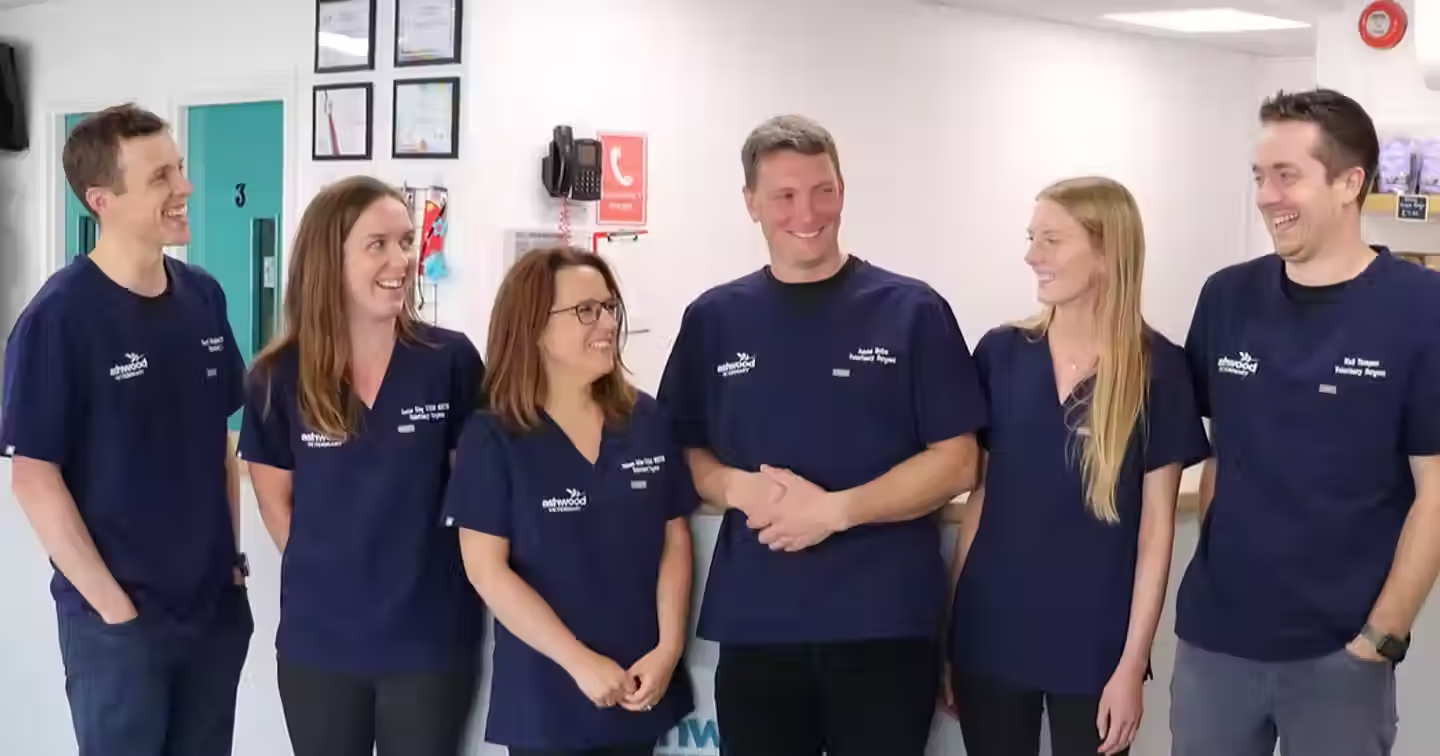
A full health check
A full veterinary health check for your new arrival.
 Voted Best Practice in Northern Ireland 2020–2026

Laparoscopy, or minimally-invasive surgery, is a way to explore the organs of your pet's abdomen using only tiny key-hole incisions. Using these incisions, just a few mm long, we insert a camera and our surgical instruments to perform the surgery.
Laparoscopy is a less traumatic and painful alternative to traditional surgery. It is also a safer method of surgery because everything that is done is under direct magnified visualization. Organs, such as your pet's ovaries, do not need to be manually handled to allow the surgery to be performed, so there is less trauma to the internal structures of your pet's abdomen.
One use of Keyhole Surgery which is very popular is a canine ovariectomy or spay (the procedure for neutering a female dog).
Open surgery involves a single incision made down the midline of the dog's abdomen. The ovaries and uterus are removed. There is a 10 to 14 day recovery period.
Keyhole surgery involves two very small incisions with minimal discomfort. The ovaries are removed. There is a 3 day recovery period.
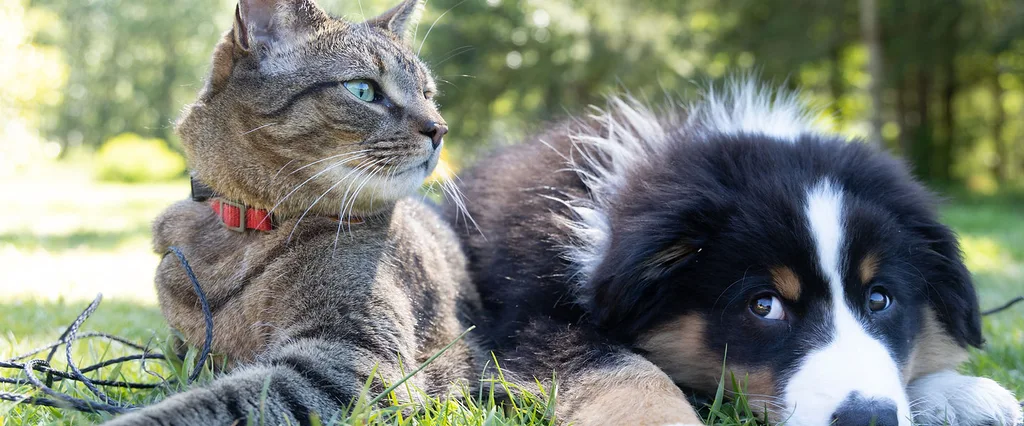
Helping your pet get off to the best start, with routine vaccinations and tailored puppy & kitten packs.Laparoscopy, or minimally-invasive surgery, is a way to explore the organs of your pet's abdomen using only tiny key-hole incisions. Using these incisions, just a few mm long, we insert a camera and our surgical instruments to perform the surgery.
Free access for registered clients
How to get started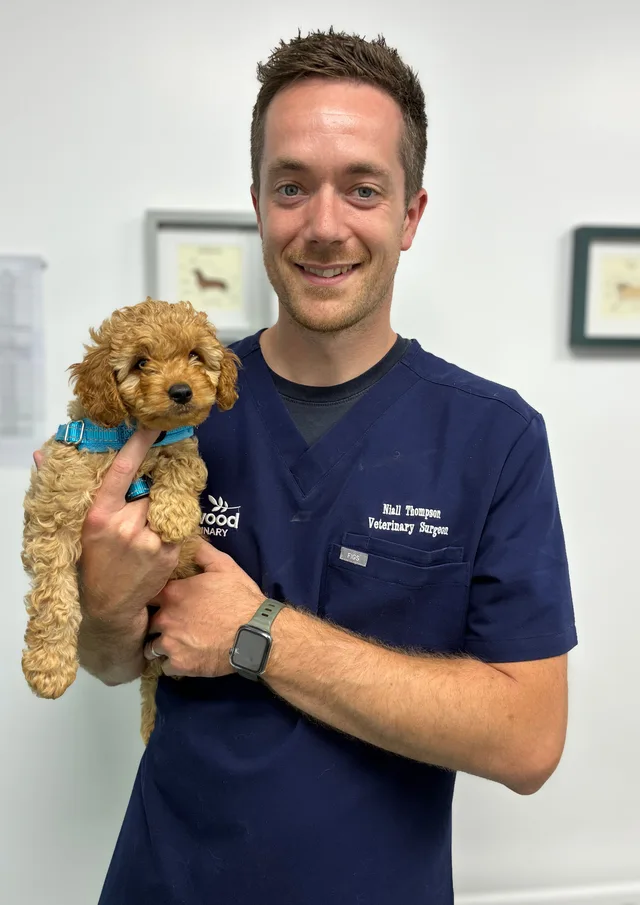
Puppy & kitten packs
View our price listWelcome to the family
We cannot wait to meet your new puppy or kitten. Our packs bring their essentials together in one place, tailored to what they have already had done.
A full veterinary health check for your new arrival.
All core vaccinations, plus kennel cough for puppies.
Worming, flea and tick treatment.
Included in your tailored pack.
Four weeks of free PetPlan pet insurance.
Discount vouchers for neutering and next year’s boosters.
Plus a warm welcome and plenty of cuddles from the team.
Registered with Ashwood Vets? Our client care team can help you get set up with free access to the VidiVet app.

Contact client care and ask about setting up your VidiVet access.
Follow the setup instructions provided by our team.
Use the app to contact the veterinary team at VidiVet for non-emergency advice.
Thinking about Keyhole (laparoscopic) surgery? Contact us to discuss the best time and options for your pet.
Book an AppointmentCart
Contact us
Choose which cookies you allow. Necessary cookies are always on because the site cannot work without them. You can change your choice at any time. Cookie Policy
Necessary
Required for core features such as security, network management, and remembering your privacy choices. These are always active.
Analytics
Help us understand how visitors use the site so we can improve it, using tools such as Google Analytics.
Marketing
Used to measure and personalise our advertising, using tools such as Google advertising and the Meta and TikTok pixels.